
Highlights
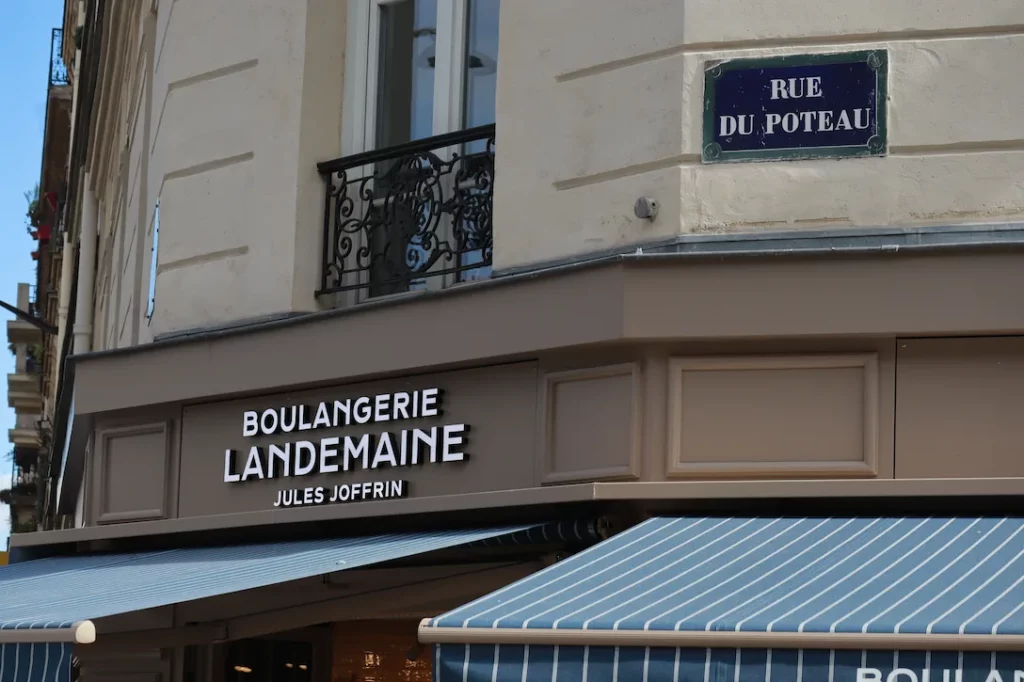
Landemaine Bakery Jules Joffrin
A renovated boutique, the first step toward a new identity.
Our recipes are evolving across all Boulangerie Landemaine shops.


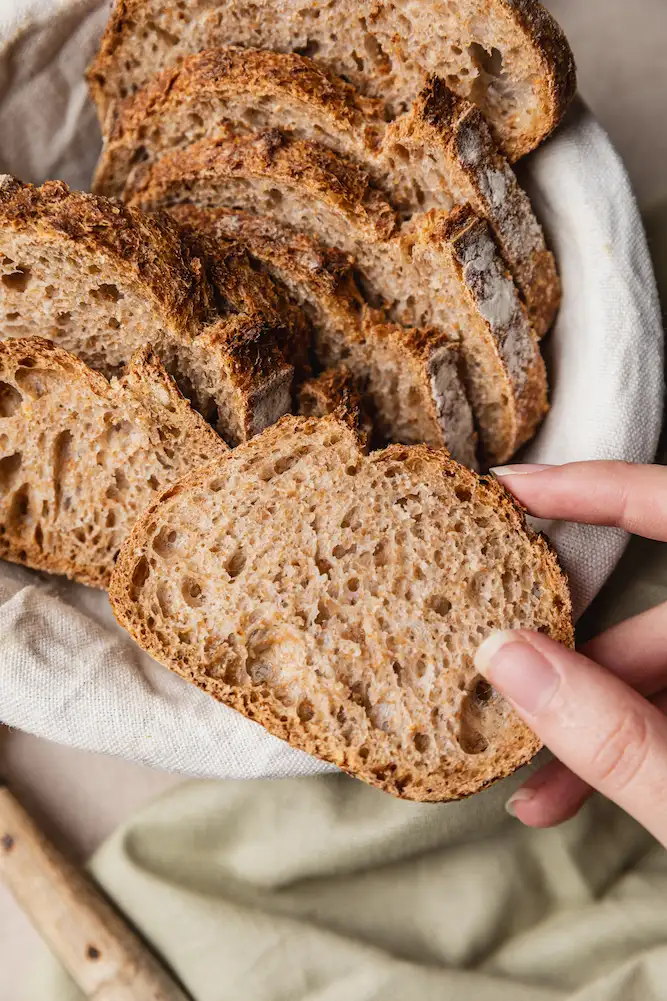
It’s a change you might not notice at first glance, but one you’ll taste from the very first bite. As of this week, all our Boulangerie Landemaine shops offer breads made with sourdough. From our classic baguette tradition to our stone-ground tourte de meule, our recipes have been reimagined to deliver richer flavor, better shelf life, and improved digestibility.
Here is what this changes, in practical terms, for your bag of bread.
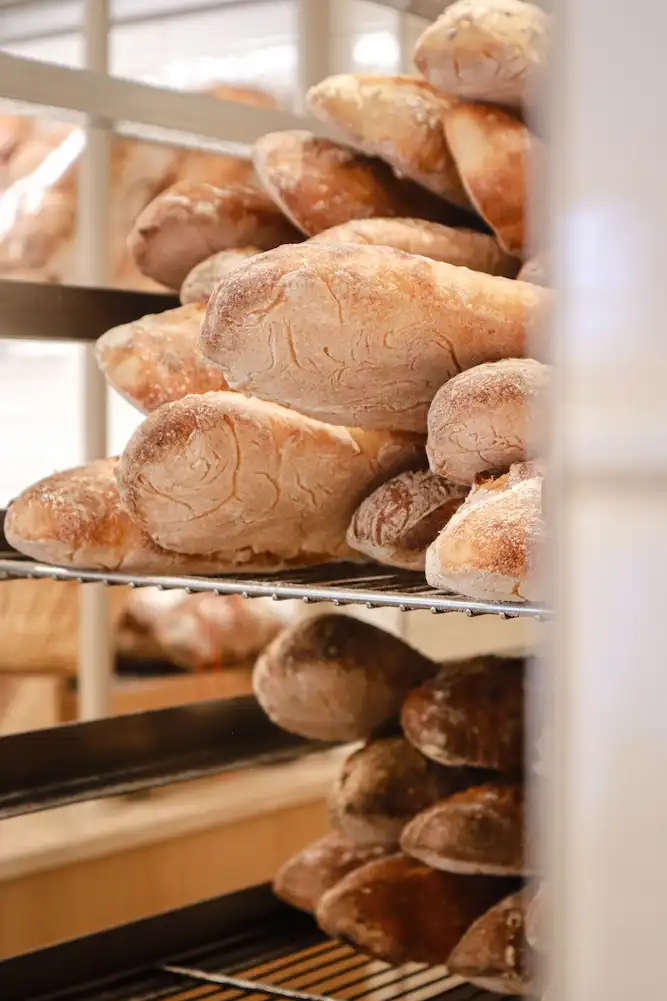
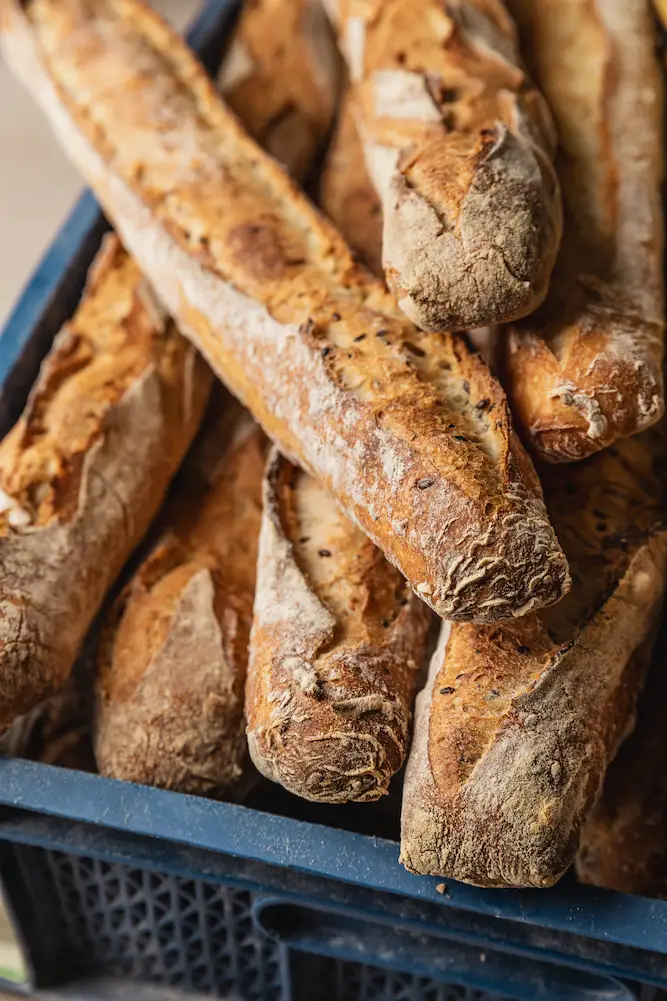
Sourdough is one of the oldest techniques in the art of baking. It is prepared simply using flour and water, which are left to ferment naturally. This fermentation allows the dough to rise and the bread to develop its flavors, without relying solely on yeast.
At our bakery, sourdough starter comes in two forms: a liquid starter—used, for instance, for our baguette tradition and homemade-style bread—and a stiff starter, which is used in our tourte de meule (stone-ground loaf), pain d’antan (traditional-style rustic bread), whole-wheat bread, and rye loaf.
It is the first thing one notices. Sourdough fermentation imparts deeper, more complex aromas to the bread, a subtle acidity, and a crumb with greater character. The baguette tradition—with its thin crust and open, airy crumb—is the perfect example of this. In our stone-ground loaves, the flavor is even more pronounced.
Sourdough bread keeps for longer. It stays soft for a greater amount of time, dries out less quickly, and holds up better in the days following baking. This is especially true for our large loaves—such as the tourte de meule and the pain d’antan—which can easily be enjoyed over the course of several days.
To enjoy it to the fullest, nothing beats a fabric bread bag, which allows the crust to breathe without drying out the crumb.
Sourdough requires a longer fermentation process, and this additional time also changes how the flour is handled. Many people find sourdough bread easier to digest. While this is not a universal rule—as everyone’s individual sensitivities vary—it is one of the reasons why we decided to extend this production method to our entire product range.
Making sourdough bread requires time. The fermentation process takes longer than it does for conventional bread, which means that work in the bakery must be organized differently. Yet, it is precisely this time that makes all the difference: it is an essential part of the craft that gives artisanal bread its unique identity—which is why we prefer to let it rise at its own unhurried pace, rather than rushing the process.
Our breads are crafted using 9 raw flours sourced from CRC-certified agriculture, with each recipe highlighting a specific cereal grain:
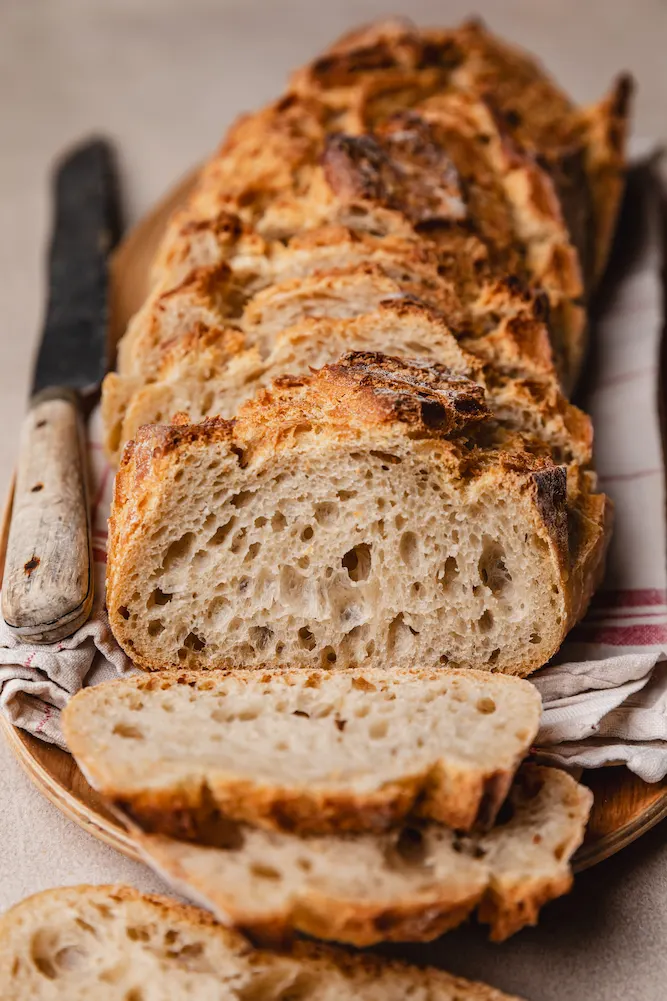
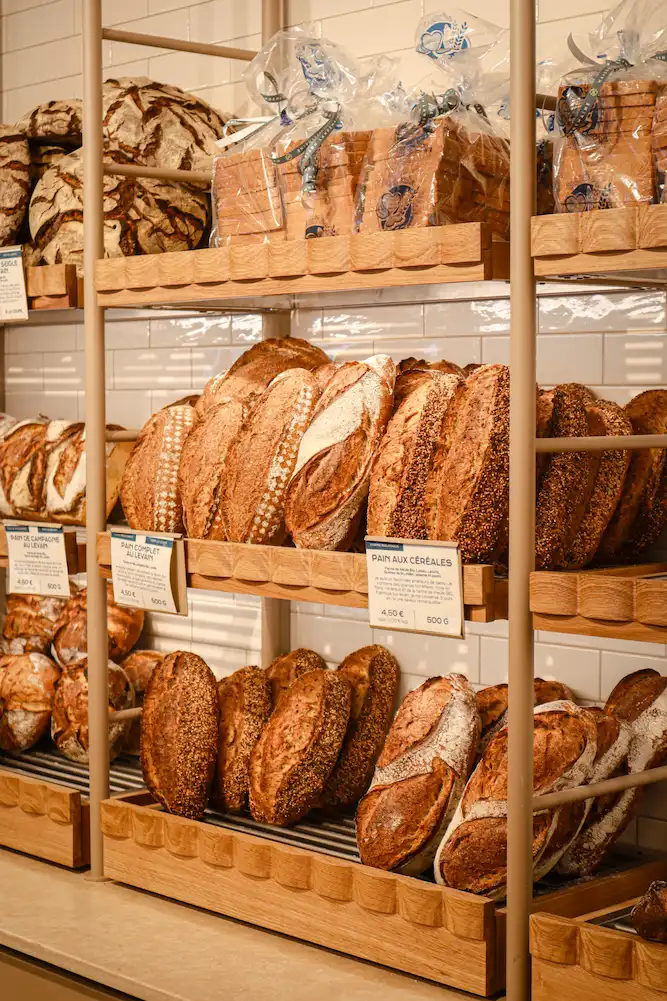
As of this week, all our Boulangerie Landemaine shops offer our sourdough breads. Next time you stop by, try our baguette tradition, or treat yourself to a tourte de meule (stone-ground loaf) to enjoy throughout the week.